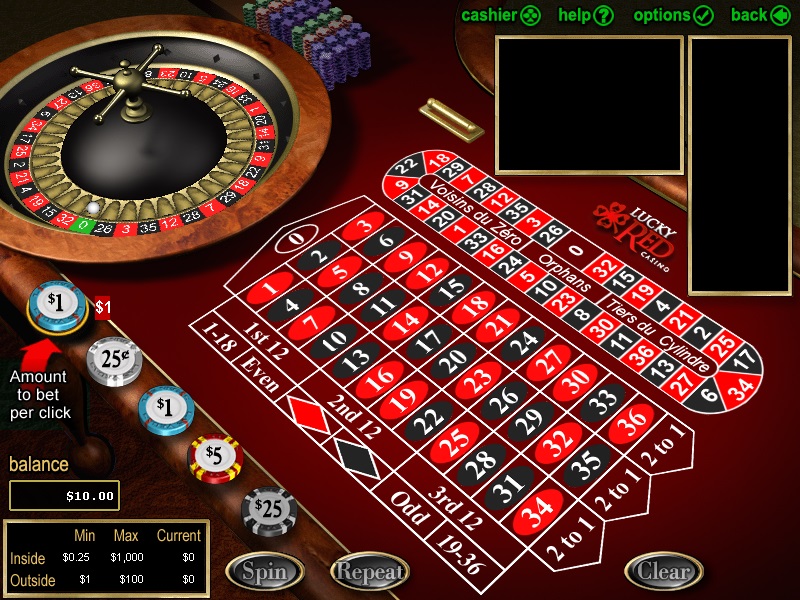

Tracking progress starts with records, and players build them from the tools every live table already provides. Scoreboards list each session’s outcomes as they happen, balance displays update after every spin, and wallet history stamps every deposit and withdrawal with an exact figure. Organised bitcoin roulette sites keep account statements available for download, so a full month of play condenses into one readable file. Players add a personal layer on top, noting session dates, tables visited, and closing balances in a simple sheet or notebook. Ten minutes of writing per week captures everything the built-in tools miss. Records gathered this way turn scattered evenings into one continuous story, and the story is what progress tracking actually reads.
Progress shows in skills
Progress shows in skills before it shows anywhere else, and players track the growth through clear personal markers. Placement speed improves first, since a developing bettor fills the betting window comfortably, where early sessions felt rushed. Layout fluency follows, and reading splits, corners, and racetrack picks without hesitation marks a real step forward. Variant knowledge widens too, as a player who once knew only the European wheel becomes comfortable switching into French rules and speed rooms. Scoreboard literacy deepens alongside, with hot number panels and percentage views becoming quick reads instead of puzzles. Many players keep a short skills list and date each item when it starts feeling natural. Milestones of this kind cost nothing to record and give every month a visible measure of growth. Skill progress compounds quietly, and a dated list makes the compounding impossible to miss across a year of sessions.
Players track session numbers
Players track session numbers next, and a few figures carry most of the picture.
- Session length. Recording time at the table shows whether play stays inside planned windows.
- Rounds played. Counting spins per visit reveals each session’s true pace at a glance.
- Closing balances. Noting the end figure every visit builds the long line progress that is read from.
- Stake sizing. Logging typical chip amounts shows discipline holding steady month after month.
Numbers reviewed weekly turn feelings into facts. A player who believes their sessions are steadier can open the sheet and see whether the record agrees, which is exactly the check that keeps tracking honest.
Tracking sharpens future sessions
Tracking sharpens future sessions, which is the real reward of the whole habit. Records reveal which tables, hours, and bet mixes produced the most enjoyable evenings, and the next plan borrows directly from that evidence. Stop points hold more firmly when past sessions prove they work, and stake choices settle faster when the sheet shows what felt comfortable before. Reviews stay short, too, since fifteen minutes with the numbers each week keeps the picture current without becoming a chore. Goals grow naturally from the record as well, and a milestone met gets replaced by the next one the same evening. Players who track this way walk into every session informed by all the ones before it.
Progress becomes visible the moment it gets written down. Records, skill markers, session numbers, and weekly reviews turn months at the wheel into a readable journey, and players who keep the habit always know exactly how far they have come.